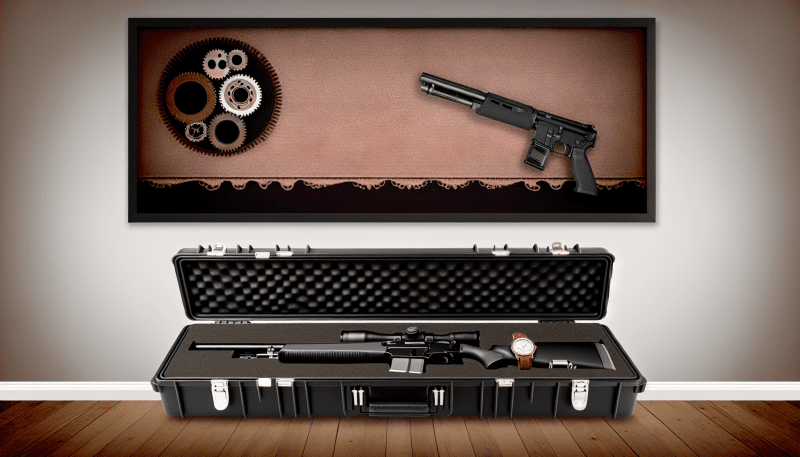
Choosing the right gun lock is crucial for keeping your firearms safe. With so many options out there, it can be a bit overwhelming. Here are some key points to help you make the best decision.
First, think about the type of gun you have. Handguns, rifles, and shotguns often require different types of locks. Cable locks are handy for pistols since they run through the chamber. For rifles or shotguns, a trigger lock can be a great option as it prevents the trigger from being pulled.
Next, consider how you plan to use your firearm. If you often carry your gun for sport shooting or hunting, you might want a lock that’s quick to remove. Some locks can be easily accessed in emergencies, while others offer more security but are a bit trickier to open. It's all about balancing usability with safety.
Lastly, don’t forget to check for any safety standards. Look for locks that meet or exceed the requirement set by local laws. This not only protects your firearm but also makes sure you're following the rules.
Installation Made Simple and Quick
Installing gun locks should be as easy as pie, and it is! Most products on the market today come with clear instructions that anyone can follow. You don’t need to be a DIY expert to get it done right. Just grab your lock and let’s get started.
First up, make sure you pick a location for your firearm. Consider somewhere discreet yet easily accessible for you. Whether it’s a gun safe or a secure cabinet, just make sure it’s a spot that deters curious hands.
Next, follow the steps in the manual. Most gun locks fit right onto the trigger guard. Simply slide the lock into place and make sure it clicks securely. Double-check that it won’t budge. You want it to be snug enough that it can’t easily be tampered with.
Some locks even come with keys or combination codes. Be sure to keep these in a safe yet accessible spot. You don’t want to be fishing around for a lost key when you need to access your firearm quickly. Write it down or store it in a secure app on your phone if needed.
That’s really all there is to it! With just a few simple steps, you can feel good knowing your firearms are locked and secure. Keeping your weapons safe is important, and using locks is a smart move you won't regret.
Tips for Maintaining Your Gun Lock
Keeping your gun lock in top shape is essential for safety and reliability. Here are some handy tips to maintain your gun lock and ensure it always works when you need it.
First, clean your lock regularly. Dust and dirt can build up and cause issues. Use a soft cloth to wipe it down, and if you encounter sticky spots, a little bit of lubricant can work wonders. Just be careful not to overdo it; you don’t want to attract even more dirt.
Check the mechanism often. Make sure it opens and closes smoothly. If it feels stiff or doesn’t click into place, try applying some lubricant to the moving parts. If problems persist, consider replacing the lock. It’s better to be safe than sorry!
Store your gun lock in a cool, dry place. Avoid areas with high humidity or extreme temperatures, as they can affect the lock's performance. Keeping it in its original packaging or a protective case can also help shield it from unnecessary wear and tear.
Finally, always have a backup plan. Keeping an extra key handy or choosing a lock with a combination can save you a headache later. Make sure everyone in your household knows where the backup is stored and how to use it properly.
Understanding Gun Lock Regulations and Laws
When it comes to gun safety, understanding lock regulations and laws is super important. Each state has its own set of rules about how guns should be stored and secured. Some places require specific types of locks, while others might not have strict regulations at all. Familiarizing yourself with these laws helps you stay compliant and keeps your firearms safe.
Most states recommend using a gun lock, but the specifics can vary. Some states may stipulate that all firearms should be locked when not in use, especially in homes with kids. Others might only require locking up if the weapon is kept in a vehicle. It’s crucial to check your local laws to ensure you’re not just locked up safely but also legally.
Also, remember that while laws are important, best practices in gun safety go a long way. Use locks that are reliable and easy for you to handle. Trigger locks are popular, but cable locks can also work well for long guns. A good lock can prevent accidents and unauthorized access, making your home a safer place.
Don’t forget about the storage area! Keeping firearms in a locked cabinet or safe is a great idea, especially with a reliable lock on the firearm itself. This way, you create multiple layers of security. So whether you own a pistol or a rifle, making sure they are locked up properly is key for peace of mind.