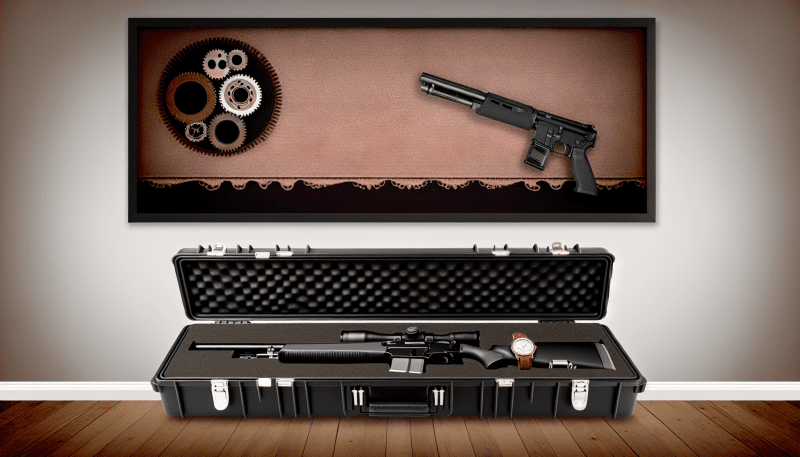
Keeping your firearm secured at home is a top priority for responsible gun owners. It’s not just about protecting your investment; it’s about safety for you and those around you. So, how do you make sure your gun stays out of the wrong hands?
First off, a good gun safe makes a huge difference. Look for one that’s made of thick steel and offers a reliable locking mechanism. Biometric safes are super popular right now, as they let you unlock your safe quickly using your fingerprint. This way, you can access your firearm in an emergency but keep it locked away when you’re not using it.
Consider your home's layout when choosing a spot for your safe. You want it in a place that's accessible to you, but not obvious to anyone else. Some owners like to hide their safes in closets or even behind false walls. Just make sure it’s not too heavy to move and set it up securely, so it can’t be easily taken away.
Besides a safe, think about using gun locks. Trigger locks or cable locks are perfect for adding an extra layer of security. They may not be foolproof, but they can deter unauthorized use. Plus, they’re an easy way to ensure that your firearm remains inoperable when it’s not in use.
Finally, involve your family in the conversation about gun safety. Educating everyone at home about the importance of secure storage helps create a culture of safety. Reinforce that firearms are not toys, and show them how to behave responsibly around them. It’s all about keeping everyone safe while respecting the responsibility that comes with gun ownership.
Store Ammunition Properly and Safely
Storing ammunition safely is key to keeping your home secure and preventing accidents. You want to make sure that your ammo is out of reach from kids or anyone who shouldn't have access to it. A good rule of thumb is to keep ammo locked up in a secure container or a dedicated ammunition box. This way, you know it's safe, and it won't end up in the wrong hands.
Choose a cool, dry place for storage. Heat and humidity can spoil your ammunition, making it less reliable when you need it. An old toolbox or a locked cabinet can work just fine, but if you're serious about keeping your ammo in top shape, consider investing in a proper ammo can. These are designed to protect your rounds from moisture and impact.
Label your boxes clearly, especially if you have different types of ammo. This will save you time and frustration when you're looking for a specific round. Plus, it helps everyone understand what’s in there if they ever need to access it. Check your ammo regularly to make sure it hasn't been compromised. Expired or poorly stored ammo can lead to dangerous situations.
And remember, never store ammunition in the same compartment as your firearms. Keeping them separate not only enhances safety but also complies with many regulations. It's all about taking those extra steps to keep yourself and others safe. With the right storage practices, you can rest easy knowing your ammunition is secured and ready when you need it.
Practice Regularly with Your Firearm
To get comfortable and safe with your firearm, practice is key. Regular practice helps you understand how your gun works and builds your confidence in handling it. Find a local range where you can shoot safely and legally. Make it a habit to go often; even short sessions can make a big difference.
Start with the basics. Focus on grip, stance, and sight alignment. If you’re new to shooting, consider taking a lesson or two. A qualified instructor can give you tips and correct any bad habits before they take hold. You’ll feel a lot better knowing you’re doing things right.
As you get more comfortable, work on your accuracy and speed. Set personal goals for yourself, like hitting a target X number of times in a row or challenging yourself to draw your firearm and fire at a target within a certain time frame. Keep it fun, but remember safety always comes first. Be mindful of your surroundings and make sure you're practicing in a safe environment.
Don’t forget to mix it up! Try different drills or scenarios to keep your practice engaging. It can help prepare you for any situation where you might need to use your firearm. Plus, the more you practice, the better you get at making quick decisions. That’s essential when it comes to gun safety.
Know Your Local Gun Laws
When it comes to gun ownership, knowing your local laws is a must. Every state has its own rules about how to store, carry, and transport firearms. If you're not in the know, you could accidentally break a law without even meaning to.
Start by checking out your state’s regulations. Some places require a permit to carry, while others don’t. There are also laws about where you can take your firearm—like schools, public buildings, or parks. Make sure to familiarize yourself with these details so you can stay on the right side of the law.
Don’t just stop at state laws. Local ordinances can throw a curveball too. Some cities have stricter rules, and it’s up to you to know what’s what. It’s worth taking the time to research your specific area. A quick online search can often provide you the information you need.
Also, consider discussing gun laws with local law enforcement or a knowledgeable friend. They can offer insights that might not be obvious from just reading the statutes. Plus, staying informed keeps you and those around you safe.